
Mary Kissel’s Advice to W&L Students
Mary Kissel’s Advice to W&L Students
The former Mike Pompeo staffer and journalist advises students on curiosity, credentials and their careers.
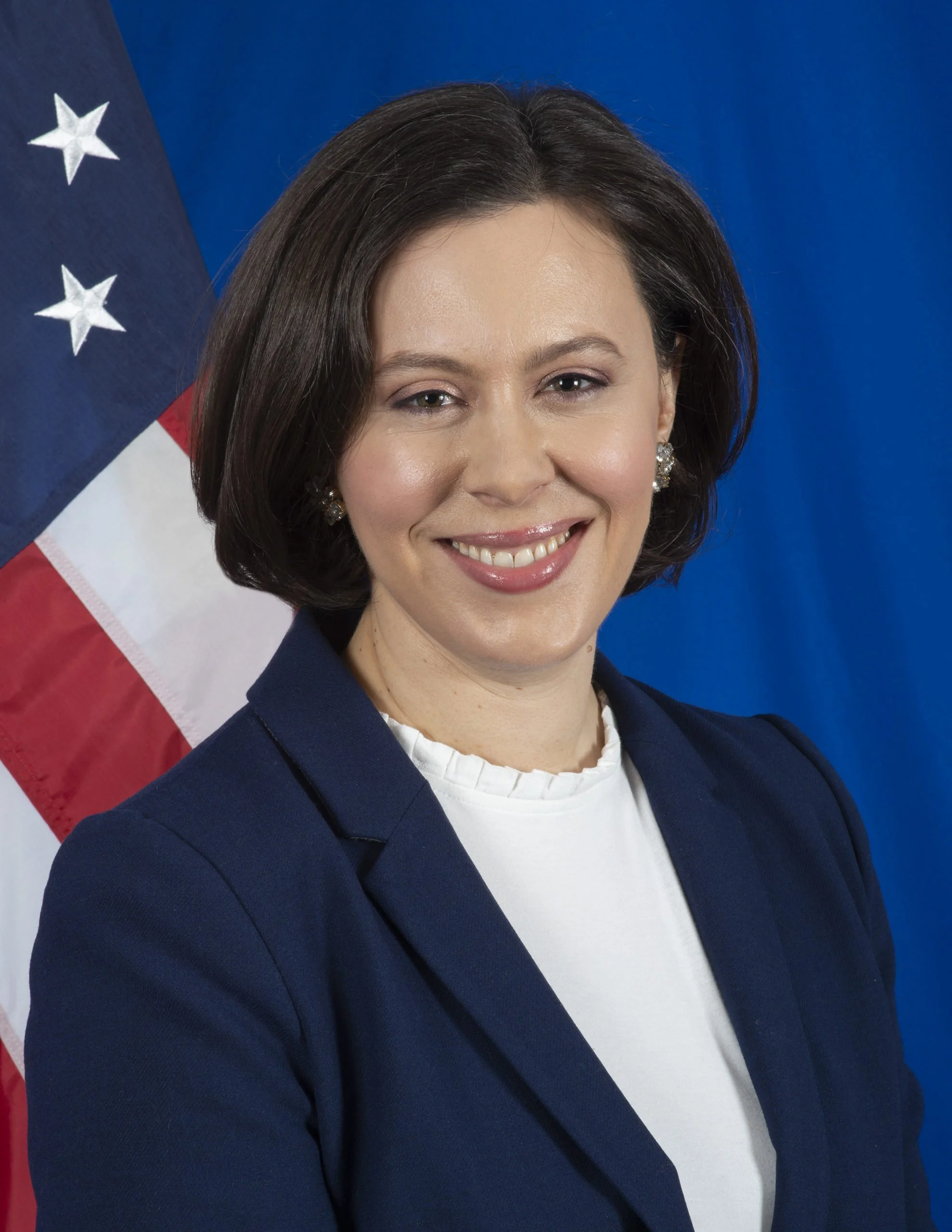
(Mary Kissel during her time at the State Department. | SOURCE: United States Department of State)
Washington and Lee University is known to have a high-achieving student body. From Career and Professional Development (CPD) meetings, summer internships, four-year plans, LinkedIn goals, and resume templates, students spend countless hours on their professional experiences.
Mary Kissel argues that this is the wrong way to go about life.
Kissel’s childhood, spent in a small beach town in Florida, could hardly have predicted her rise through American journalism, politics and business. Yet, it all started with one impulsive decision.
Hearing that one of her high school classmates was applying to Harvard, she decided to follow suit, entirely on a whim. “I didn’t even know where they were,” Kissel said. “And I thought, well, if you can get in, I can get in. That was why I applied, really.”
Thirty years later, Kissel’s resume is anything but accidental: Harvard alumna, former Wall Street Journal editorial board member, leading expert on China, and, during President Donald Trump’s first term, senior advisor to Secretary of State Mike Pompeo. Now, after returning to the private sector, she serves as executive vice president and senior policy advisor at Stephens, a financial services firm.
Looking back on her career and the industries she has been a part of, she has advice for those preparing to enter professional life: find a job that fits your interests and strengths, not the other way around.
She argues that too many students think only in terms of careers, traditional categories like lawyer, banker, or consultant. But there are millions of things you can do, many of which you don’t hear about in college.
“It's more useful to think about who am I as a person? What am I naturally good at and enjoy? And find a job that fits that,” Kissel said. “Everybody innately knows what they're good at,” she argues, but they simply need to find a job that fits these abilities.
Kissel had personal experience with choosing a career that didn’t fit her strengths. After college, Kissel worked on Wall Street to pay off her student loans. It was a formative experience that taught her a lot about financial markets and the global economy, but it was not her strength.
“I thought, well, I'm not succeeding at this job. It's not the right place for me. I want to do something that helps the country and helps these values,” she said.
She eventually joined The Wall Street Journal, where she could do what she loved — writing and traveling — while engaging with issues she cared about.
“I always read an enormous amount and I always wanted to see the world,” Kissel said.
At The Wall Street Journal, she worked as an editorial-page editor for ten years before being promoted to the editorial board as chief foreign affairs writer. In 2016, she joined the White House as Mike Pompeo's senior advisor.
Although rising to this level of prominence was not part of any 20-year plan, Kissel says she got there by following her strengths and passions, not by checking boxes or chasing prestige.
Learning, she believes, should not be contained to just the classroom or treated as a means to an end. Curiosity opens doors that credentials cannot.
“Read as widely as possible. That's kind of a hard thing to do. You've got Netflix and reels and all these other things that are kind of taking your attention,” Through reading books, Kissel argues, you “become an educated person.”
For students at W&L, her message is clear: resumes may get you an interview, but curiosity and the courage to follow what you love will take you much farther.